Viking Therapeutics is a US-based clinical-stage biopharmaceutical company specializing in innovative therapies for metabolic disorders. With a $4.2 billion market cap and 45 employees, it is leading in research and development of innovative treatments which target obesity and metabolic disease.
The Oral Weight Loss Pill: VK2735
Viking Therapeutics' emerging drug candidate, VK2735, is an orally administered weight-loss therapy that functions as a dual agonist of the GLP-1 and GIP receptors. In September 2023, Viking Therapeutics initiated the Phase 2 trial of VK2735. The study demonstrated that once-daily oral dosing of VK2735 led to an average body weight reduction of up to 12 percent after 13 weeks, compared with 1.3 percent for the placebo group.
GLP-1 and GIP are gut hormones which account for most of the enhanced insulin secretion observed in healthy adults after a meal. Activation of the GLP-1 receptor has shown to decrease glucose, reduce appetite, lower body weight and improve insulin sensitivity in patients with type 2 diabetes, obesity or both.
Parallel trials of the oral VK2735 formulation showed strong efficacy and safety at higher doses. In a 28‑day Phase 1 multiple‑ascending dose study, daily oral VK2735 achieved up to 8.2% body weight reduction from baseline and 6.8% versus placebo, with sustained benefits through follow‑up at Day 57. At higher doses (up to 100 mg daily), every participant achieved at least 5% weight loss, which is impressive for early stage results.
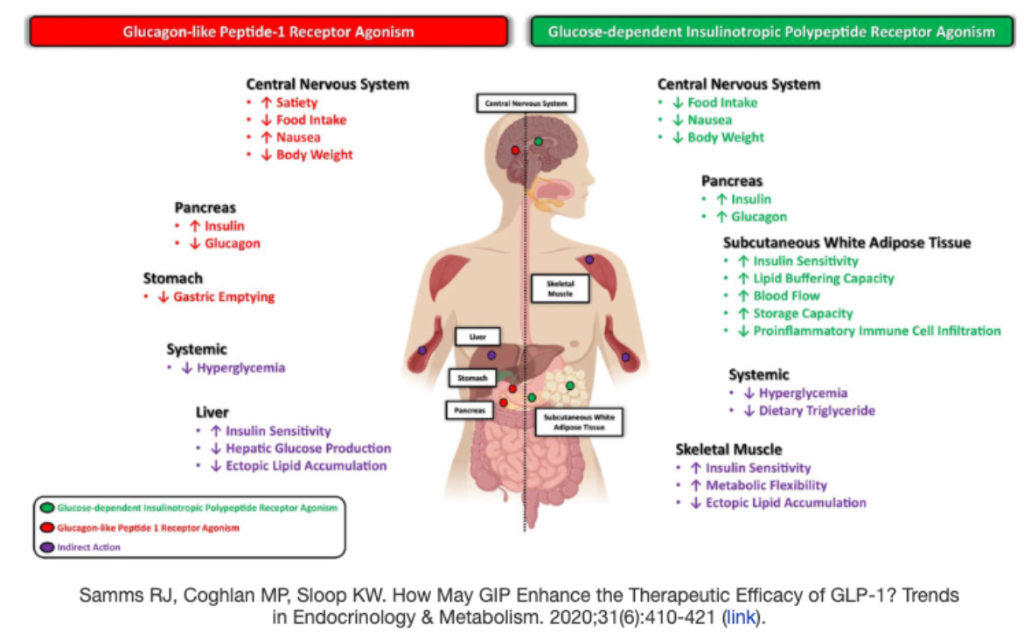
Key Findings from the Mechanism
- GLP-1 receptor agonism (left/red): Affects appetite, satiety, food intake, insulin/glucagon levels, gastric emptying, and systemic glucose control, leading to weight loss and improved insulin sensitivity.
- GIP receptor agonism (right/green): Further enhances insulin secretion, helps in lipid buffering and storage, influences immune signaling in fat tissue, and improves metabolic flexibility in muscles.
- Combination (dual agonism): Targeting both receptors maximalizes fat loss while maintaining metabolic control.
Investment Thesis - Buy
Short Interest: Setup for a Squeeze
VKTX has a short interest of roughly 27% with about a week’s worth of trading volume needed for shorts to cover. That level of congestion creates the conditions for powerful momentum if bullish catalysts hit.
Superior Oral Weight‑Loss Profile
Phase 2 data show it produced similar weight loss results in 13 weeks to what Eli Lilly’s Orfoglipron achieved only after about 70 weeks in its Phase 3 program. That level of efficiency is nearly unheard of in this space and suggests VK2735 acts both faster and more potently than its competitors. Early data also showed a clean safety readout, with mostly mild gastrointestinal side effects.
In addition, the follow‑up results presented at ObesityWeek 2024 demonstrated that higher daily doses (60–100 mg) achieved up to 8.3% body‑weight reduction from baseline at Day 57, four weeks after the last administered dose. That implies the compound continues exerting effect well beyond dosing periods.
Deep Undervaluation Relative to Peers
Raymond James, Jefferies, and Oppenheimer all maintain Buy ratings, with targets above $120 dollars per share. Morgan Stanley sits at $102 dollars, citing both the subcutaneous and oral programs as drivers of long‑term optionality. These targets imply an upside of 300 to 400 percent from current levels around $25.
Strategic Buyout Potential
The global pharmaceutical industry is in a race to secure assets in the metabolic and obesity space, a category now widely viewed as the next trillion‑dollar frontier in healthcare. Viking Therapeutics sits near the top of every acquisition watchlist because it controls a wholly owned dual‑agonist portfolio that could address obesity, diabetes, and related liver and cardiovascular conditions.
Valuations in the obesity drug space have been soaring. Even early-stage programs with limited data have sold for billions, often at 7 to 10 times expected future revenue. Comparing that to Viking’s 3-billion-dollar valuation shows a clear mismatch.
References
- DeSilver, D. (2024, March 21). As obesity rates rise in the U.S. and worldwide, new weight-loss drugs surge in popularity. Pew Research Center
- Viking Therapeutics. (2025, November 10). VK2735 - Viking Therapeutics Pipeline